While the 45th Weather Squadron of the U.S. Space Force provides weather forecast guidance for rocket launches at NASA’s Kennedy Space Center, an additional unit of special forecasters will be working the upcoming Artemis mission which will send astronauts around the Moon in the coming weeks.
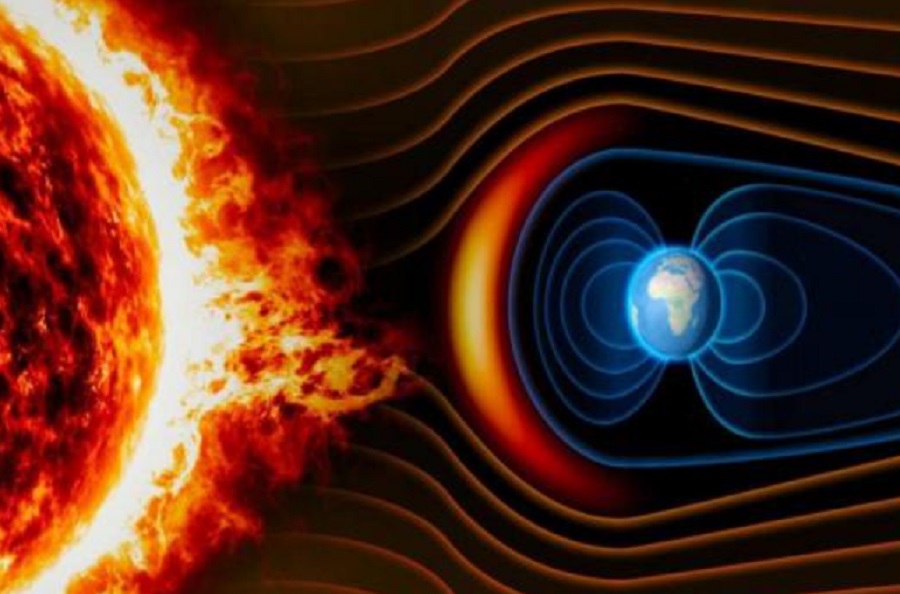
While typically known for their weather forecasts, the National Oceanic and Atmospheric Administration (NOAA) and its National Weather Service (NWS) is also responsible for “space weather.” While there are private companies and other agencies that monitor and forecast space weather, the official source for alerts and warnings of the space environment is the Space Weather Prediction Center (SWPC). The SWPC is located in Boulder, Colorado and is a service center of the NWS, which is part of NOAA. The Space Weather Prediction Center is also one of nine National Centers for Environmental Prediction (NCEP) as they monitor current space weather activity 24/7, 365 days a year.
According to NOAA, SWPC staff will provide specialized decision-support for the duration of the Artemis II mission. “Decision-support involves forecast advice and interpretative services provided by the National Weather Service to help core partners make informed decisions,” said the SWPC, adding, “Space weather is a risk factor that must be considered for astronaut safety and mission success.”
The SWPC will work directly with core partners at the National Aeronautics and Space Administration (NASA) Space Radiation Analysis Group (SRAG) by providing that essential space weather decision-support service for the Artemis II mission. One element of the NWS mission is protection of lives and property, and SWPC will be doing exactly that for the Artemis II return to the Moon.
The primary space weather concern will be any developments that increase chances of a significant solar radiation storm. SWPC forecasters will be the immediate and direct link to NASA SRAG should such a risk become possible and if should one unfold.
Artemis is the follow-up series of missions involving the Moon from the Apollo missions in the 1960s and 1970s. According to Greek mythology, Artemis was the daughter of Leto and Zeus, and the twin of Apollo. She is the goddess of the wilderness, the hunt and wild animals, and fertility; Artemis is also considered as one of the helpers of midwives as a goddess of birth. The original Moon landing project was known as the “Apollo Mission.”
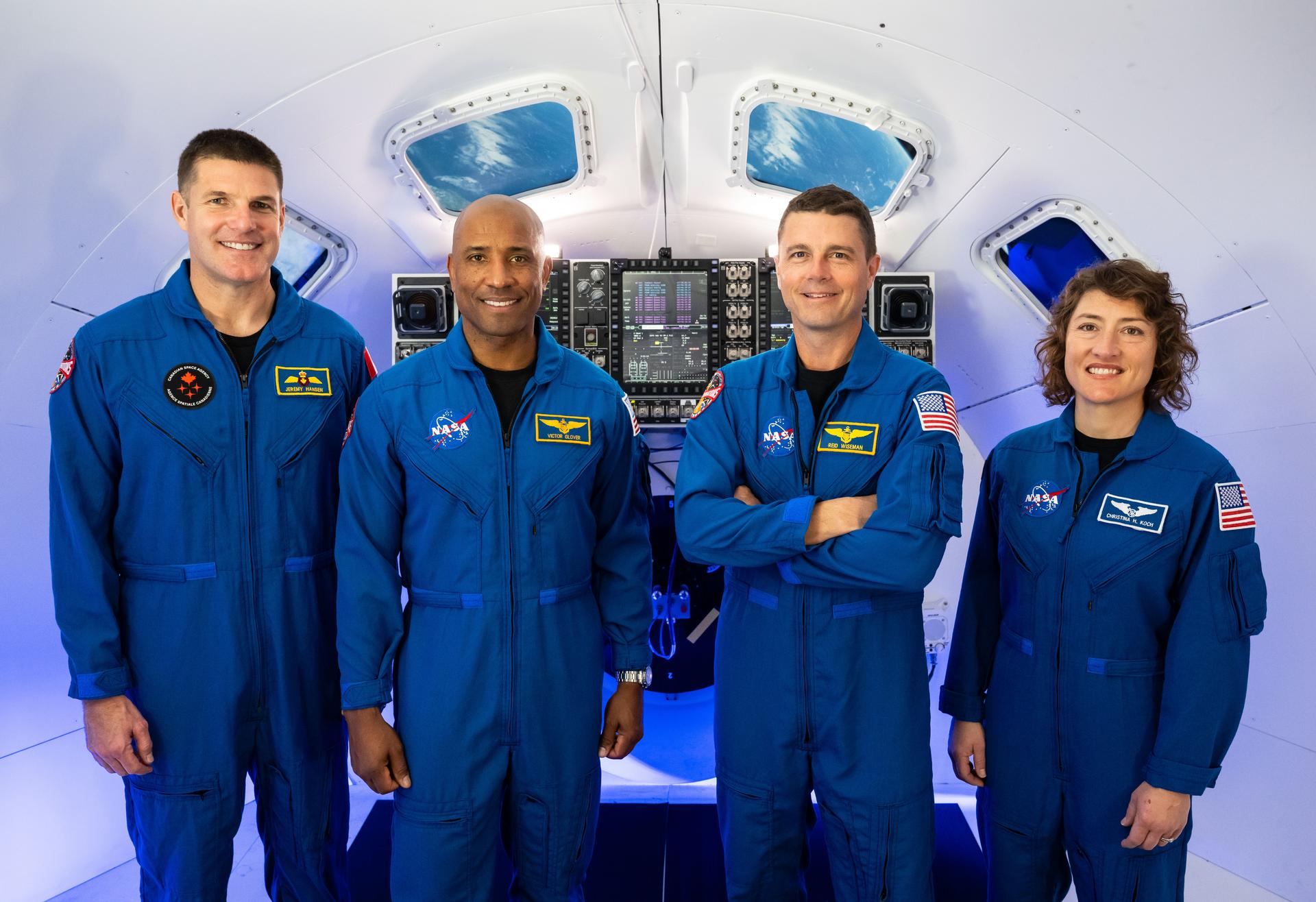
This upcoming Artemis II launch is part of a 10-day mission that will carry NASA astronauts Reid Wiseman, Victor Glover, Christina Koch, and Canadian Space Agency astronaut Jeremy Hensen on a free-return trajectory around the Moon and back to Earth. This flight will take the crew farther from Earth than any previous human mission before re-entering the Earth’s atmosphere at a record speed of approximately 25,000 mph. On January 18, the SLS rocket topped with the Orion capsule was rolled-out from the Vehicle Assembly Building to Launch Complex 39B at NASA’s Kennedy Space Center.
The recent extreme cold weather in Florida forced a delay for Artemis II, with the launch now expected to happen no sooner than March 6.
