• Skip to primary navigation
  • Skip to main content
  • Skip to primary sidebar

Weatherboy

Weatherboy Weather News, Maps, RADAR, Satellite, and Forecasts.

  • Local
  • Earth Science News
  • RADAR
  • Current Warnings
  • Satellite
  • Current Maps
  • Forecast Maps
  • Video

GOES-13 Retires

by Weatherboy Team Meteorologist - January 9, 2018

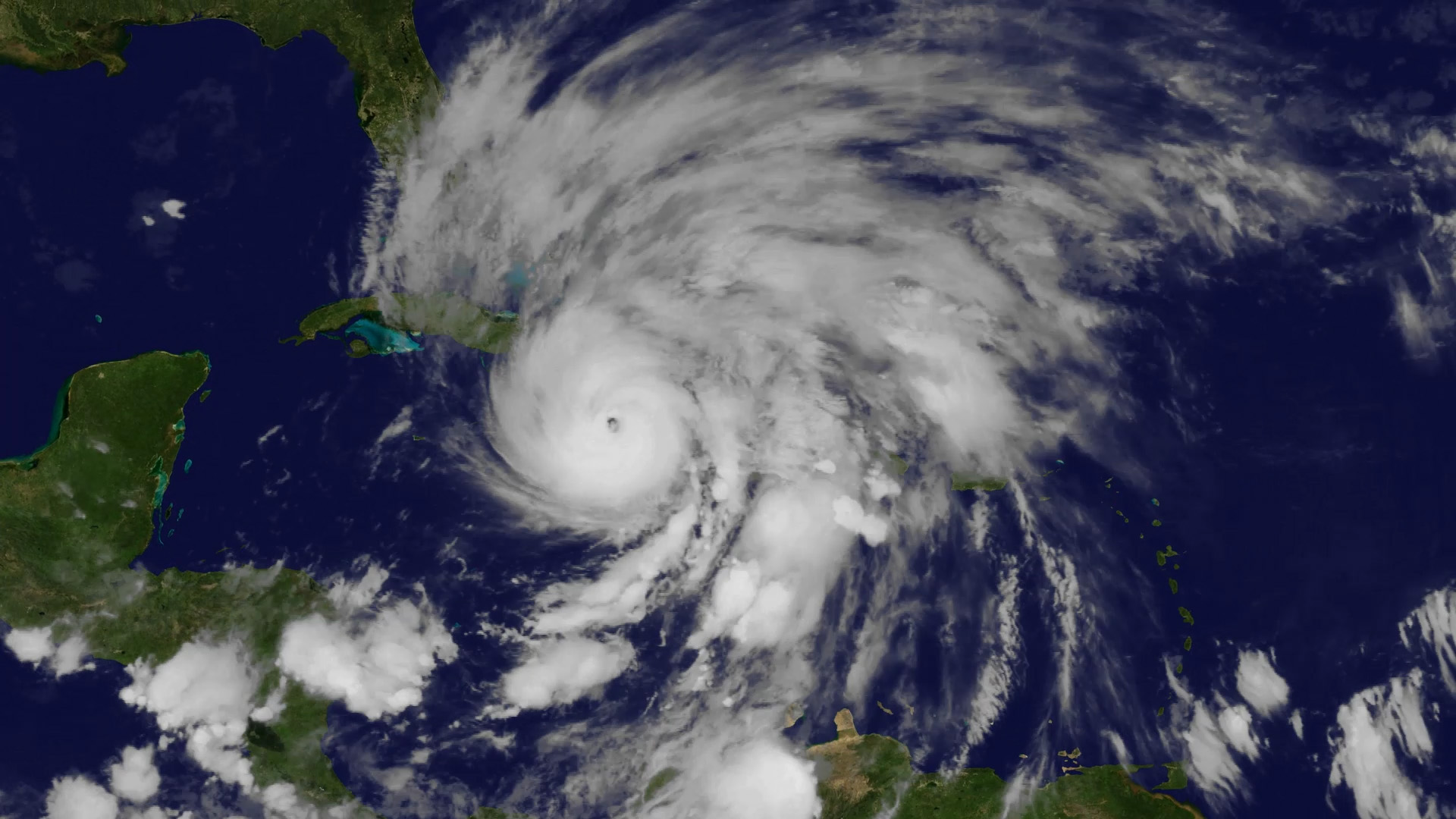
GOES-13 provided an abundance of data and imagery of weather impacting the US and nearby areas over the last decade, capturing storms like 2012's Hurricane Sandy here. Image: NOAA
GOES-13 provided an abundance of data and imagery of weather impacting the US and nearby areas over the last decade, capturing storms like 2012’s Hurricane Sandy here. Image: NOAA


Famed weather satellite GOES-13 has retired, ending an era of stunning imagery and awesome insight into some of the largest storms over the last decade. With the emergence of the next-generation GOES-16 as NOAA’s new GOES-East satellite, GOES-13, which held the position since April 2010, was powered down on January 8, 2018. It can be reactivated if one of NOAA’s other operational or backup satellites experiences trouble. A previous NOAA geostationary satellite, GOES-14, also deactivated, will remain NOAA’s primary back-up satellite, and can be activated if either GOES-16 or GOES-15, the current GOES-West satellite, experiences technical difficulties.

In the fall of 2016, the first of several next-generation weather satellites lifted off from Florida’s Space Coast. The first of the series, GOES-R, eventually went on to become GOES-16, and was put into final position and fully activated and operational as GOES-East in December. The next in the series, GOES-S, is undergoing testing in Florida now ahead of a planned March 1 launch.


“GOES-13 was a reliable work horse, supplying meteorologists with the crucial imagery and data, which enabled NOAA to provide accurate forecasts and warnings of storms, many of which are in the record books,” said retired Navy Rear Adm. Timothy Gallaudet, Ph.D., acting NOAA administrator.

In addition to the geostationary satellites, NOAA also operates a fleet of polar-orbiting satellites. The first of NOAA’s next-generation polar satellites is JPSS-1.  Launched November 18, 2017, JPSS-1 was renamed NOAA-20. Both types of satellites form the backbone of NOAA’s increasingly accurate weather forecasts.

Primary Sidebar

Sponsored Ad

Search

Latest News

  • Tornado Watches Expand in Northeast, South
  • Tornadoes Possible Wednesday from Texas to New Jersey
  • USGS Issues Volcano Warning; NWS Issues Ashfall Warning; Highway Closed, Shelter Opened
  • New York City Rattled by Earthquake
  • Very Heavy Snow, Severe Thunderstorms, and Damaging Winds Head to Hawaii
  • Severe Thunderstorm and Tornado Threat Marches East
  • Strong Earthquake Hits Louisiana; State’s Second Largest Quake Ever
  • Melissa Never to Be Used Again for Hurricanes; Molly Added to List
About | Careers | Contact | Contests
Terms | Privacy | Ad Choices
Weatherboy is a (R) Registered Trademark of isarithm LLC, All Rights Reserved.
All content herein is Copyright by Isarithm LLC 1997-2022

Insert/edit link

Enter the destination URL

Or link to existing content

    No search term specified. Showing recent items. Search or use up and down arrow keys to select an item.