
The Kilauea Volcano erupted early this morning on the Big Island of Hawaii, bringing an end to a prolonged period in volcanic activity that left USGS scientists wondering what would happen next. According to USGS scientists at the Hawaii Volcano Observatory (HVO), eruption episode 55 of the ongoing Halemaʻumaʻu eruption, began at 3:19 am local time and continues as of press time. The north vent lava fountain has reached a maximum height of 720 feet. The National Weather Service hasn’t issued any volcano-related weather advisories at this time for Hawaii.
HVO scientists say that the plume from this eruption is reaching about 25,000 feet above sea level. Winds are blowing from the north-northeast direction, which suggests that volcanic gas emissions and volcanic material may be distributed to the south-southwest direction from Halemaʻumaʻu.
Current weather radar images show significant tephra within the plume up to only 8,000 above sea level. The National Weather Service reports winds above 20,000 feet coming from the west.
All eruptive vents and lava flows are confined to Halemaʻumaʻu crater within Hawaiʻi Volcanoes National Park. Tephra fall from volcanic ash clouds is greatest within 3 miles of the vents, lighter ash and Pele’s Hair may stay suspended for large distances from the vents.
The volcanic eruption is hazardous, with tephra and volcanic gas impacting nearby areas even outside of Hawaii Volcanoes National Park.
Water vapor (H2O), carbon dioxide (CO2), and sulfur dioxide (SO2) are continuously released during an eruption. SO2 reacts in the atmosphere to create the visible haze known as vog (volcanic air pollution) downwind, which according to USGS, may cause respiratory and other problems.
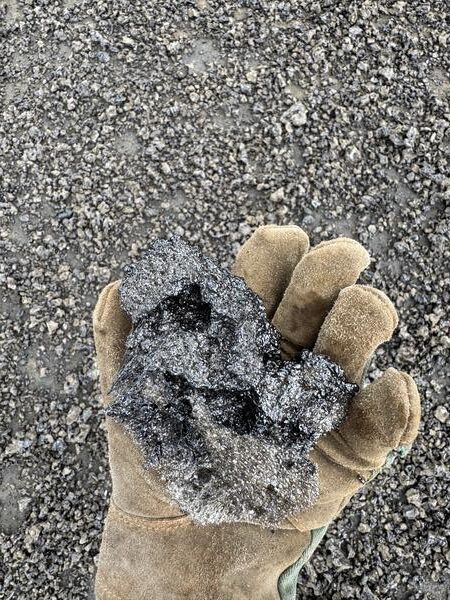
Tephra consists of small glassy volcanic fragments—volcanic ash, pumice, scoria, Pele’s hair and reticulit. Tephra is created by the lava fountains. A combination of fountaining dynamics and wind conditions determines where tephra fall may occur for any given eruption episode. Larger particles fall near the vents while light particles may be wafted greater distances. These particles may be remobilized during windy conditions following recent eruptive episodes.
“Residents and visitors should minimize exposure to these fragments, which can cause skin, eye, and respiratory irritation,” says USGS in their update today.
Other significant hazards exist around Kīlauea including instability, ground cracking, and rockfalls that can be enhanced by earthquakes. Close to the vents, the tephra material on the crater rim is prone to cracking, slumping, and small landslides that sometimes expose hot and molten material within. This underscores the extremely hazardous nature of Kīlauea’s caldera rim surrounding Halemaʻumaʻu crater, an area that has been closed to the public since late 2007.
